Turtle Dreams — Slow Is the Whole English Reading
A turtle crossing your path, withdrawing into its shell, upside down. In English it means patience; in Korea, a long life. Plus the numbers.
Ask an English speaker what a turtle means and you will get one word back. Slow.
One fable did all of this
The tortoise and the hare is taught early enough that most people cannot remember learning it. Slow and steady wins the race is close to a proverb, and it has crowded out nearly every other association the animal might have carried.
So the English-language turtle dream is about pace and persistence. Progress that looks insufficient while it is happening and turns out to have been enough.
The second association is the shell: withdrawal. To retreat into your shell is standard English for pulling back from contact. Between speed and shell, most turtle dreams land somewhere in those two.
By situation
A turtle moving steadily. Progress at a rate you may be underestimating. A reassuring dream, and usually accurate.
Withdrawing into its shell. Pulling back. Note whether that felt protective or defeated — the same gesture reads either way.
Coming out of the shell. Re-engagement after a period of retreat.
Upside down and unable to right itself. Stuck through circumstance rather than through inability. Helpless in a specific, mechanical way.
A turtle in water. Different animal, effectively. Turtles are clumsy on land and efficient in water; a swimming turtle suggests you are in your element rather than dragging.
A very large or very old turtle. Something long-established. Age is the point.
A turtle crossing your path slowly while you wait. Being made to operate at someone else’s pace.
Carrying a turtle. Something slow that you have taken responsibility for moving. Note the weight. The dream usually has an opinion about whether this was help or interference.
A turtle biting, or refusing to let go. Surprising, and worth separating from the gentle readings. A snapping turtle is the one genuinely assertive version of this animal, and interpretation reads it as something patient that has decided to act.
A turtle in a tank or container too small for it. Constraint on something built to last. Reported during stretches when a long-term plan is being run inside a short-term arrangement.
A turtle laying eggs, or hatchlings heading for the water. Beginnings with long odds and no supervision. One of the few dream images that is about setting something going and then having no further input.
A turtle on a road. Slowness in a place built for speed. A mismatch of pace rather than a danger, and the dream is usually about whether you stopped.
A turtle out of water on its own, drying out. Not injured, just in the wrong element. The reading is environment rather than capability.
Riding on a turtle, or a turtle large enough to stand on. Rare and striking. In several traditions the world itself sits on a turtle’s back, so the image carries the sense of something enormous and slow holding you up.
What else the English-language tradition carries
The fable does most of the work, but not all of it, and the leftovers matter.
The shell is a second, separate symbol. Coming out of your shell and retreating into your shell are both standard English, and neither has anything to do with speed. They describe sociability. That means two unrelated readings arrive attached to one animal, and a turtle dream can be about pace or about contact depending on what the turtle was doing.
Longevity exists in English, faintly. Giant tortoises are famous precisely because they outlive the people who first wrote about them, and that is the strongest English-language link to age — observational rather than symbolic. There is no English equivalent of a longevity emblem on a wedding gift.
The turtle holds the world up. This one is not English in origin, but it reached English firmly. Hindu cosmology places the earth on a turtle, and in several Indigenous North American traditions the continent itself is Turtle Island, a name still in active use. The philosophical anecdote about the world resting on a turtle, and that turtle on another, gave English the phrase turtles all the way down for an argument with no bottom. So English speakers inherit a faint sense of the turtle as foundation, usually without knowing where it came from.
The two animals problem. English uses turtle loosely for sea turtles, freshwater turtles and tortoises, where other languages separate them. A sea turtle in a dream is weightless, fast and exactly where it belongs; a tortoise on a road is none of those things. Half the confusion about what this dream means comes from one word doing three jobs.
The same animal elsewhere
Here the gap is wide, and it is not a matter of emphasis — it is a different animal.
In Korea, the turtle belongs to the sipjangsaeng, the ten symbols of longevity, alongside the sun, mountains, pine and crane. It appears on folding screens and wedding goods. A turtle entering the house is one of the clearer good omens in Korean dream tradition, and it points to fortune that lasts rather than fortune that arrives.
Korean tradition also separates the soft-shell turtle, which carries a role as a messenger — the creature sent by the Dragon King in a well-known folk tale.
In Japan, the turtle is likewise a longevity symbol: cranes live a thousand years, turtles ten thousand. But Japan attaches a story the others do not have — a fisherman rewarded for helping a turtle, who returns from an undersea palace to find that lifetimes have passed. So the Japanese turtle carries a faint sense of time going wrong.
Longevity in Korea, dislocated time in Japan, and in English, an animal that wins a footrace.
The Taiwanese layer
In Taiwan the turtle is eaten — as a cake — and insulted, both at once.
The red turtle cake. Ang ku kueh, a red rice cake pressed into a turtle-shell mould, is made for birthdays, a baby’s first month and temple festivals. It carries longevity in the plainest possible way: you eat it. At some temple festivals people even borrow a large turtle cake and return a bigger one the following year.
The insult. The same animal is a slur. Calling a man a turtle implies his wife is unfaithful, so the symbol has a sharp second edge that the English patience reading does not have at all.
The release. Merit release — buying animals to set free — often uses turtles, and it has become an ecological problem when non-native species end up in local rivers. A release dream there sits between piety and a newspaper story.
The shell that writing started on. This is the deepest layer and the most relevant to a site about dreams. The oldest substantial body of Chinese writing is a set of divination records scratched onto ox bone and turtle shell — questions put to the ancestors about harvests, births, campaigns and the weather, with the answers read from how the heated shell cracked. The turtle was not a symbol of foresight in that system. It was the instrument. Any Taiwanese reader who has sat through school history has met the turtle as the surface the earliest surviving questions were written on.
Stone turtles holding the record. At older temples and memorial sites, stele are set on carved turtles, because the animal that outlasts everything is the correct thing to put a permanent inscription on top of. Longevity as a structural engineering decision.
A birthday cake, a slur, a release that went wrong, and the shell the first questions were carved into. The fable of the tortoise and the hare covers none of it.
The numbers
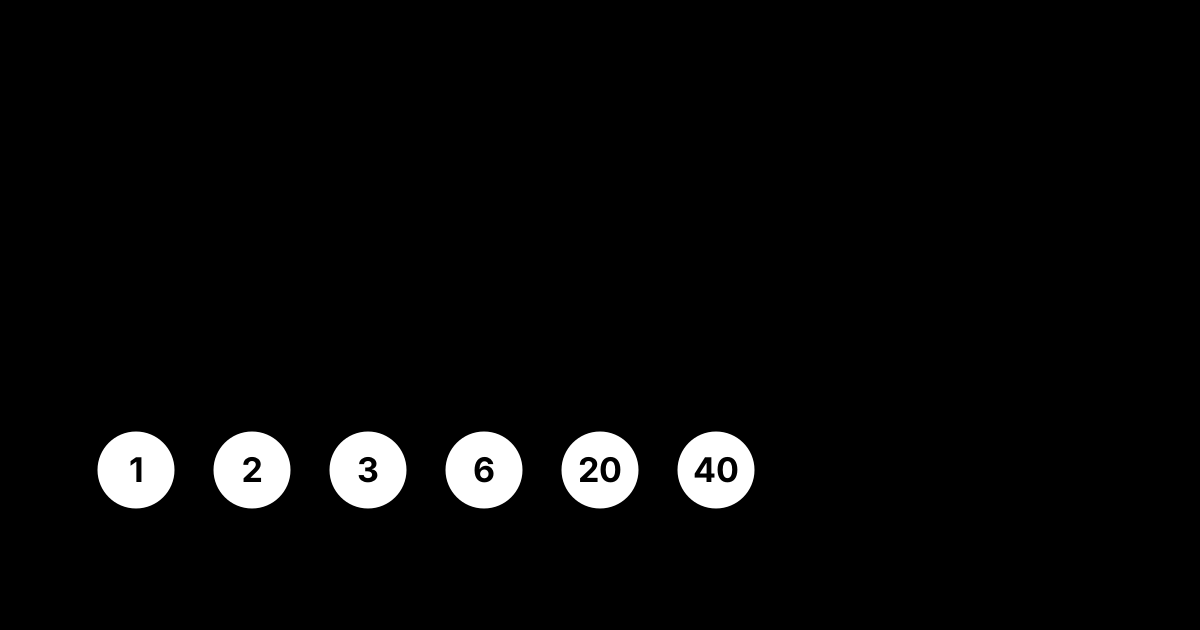
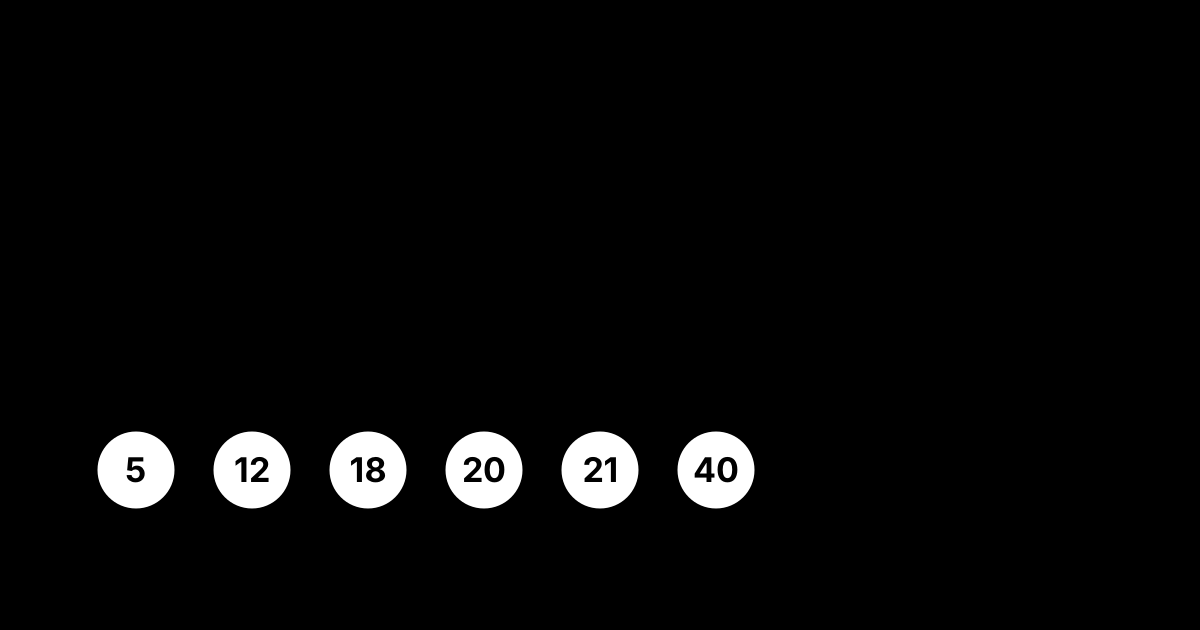
“turtle” → T=20, U=21, R=18, T=20, L=12, E=5
- 20, 21, 18, 12, 5, 40
The repeated T collapses; 40 comes from doubling the first.
Among these six, 21 has come up 144 times and 20 has come up 113 times across 1,702 recorded Powerball draws. Every draw is independent, and no number is ever due.
The counts below record actual Powerball draws — a record of the past. Every draw is independent, and no number is ever due.
Numbers from this dream
- 20
- 21
- 18
- 12
- 5
- 40
How often these numbers have been drawn
Counts compiled from actual draw results.
Powerball
Compiled from 1,702 draws up to draw 2090. Counts cover main numbers only; the Powerball is tracked separately.
| Number | Times drawn | Share |
|---|---|---|
| 20 | 113 | |
| 21 | 144 | |
| 18 | 126 | |
| 12 | 133 | |
| 5 | 118 | |
| 40 | 130 |
Latest draw 2090 · September 7, 2026
- 15
- 19
- 28
- 39
- 56
- 3
Common questions
Is a turtle dream about patience?
That is the English default, and it comes almost entirely from one fable. In East Asia the turtle carries longevity instead, so the same animal points at time lived rather than time waited.
What does a turtle on its back mean?
Helplessness that is temporary. A turtle cannot right itself easily but is not injured, so the dream usually fits a situation that is stuck rather than broken.
Does releasing a turtle mean anything?
In Buddhist practice releasing animals earns merit, and turtles are a common choice. A release dream can read as letting something go for its own sake rather than losing it.
Is a sea turtle the same dream as a tortoise?
Treat them as two animals. A tortoise on land is the fable animal — slow, dogged, out of its element — while a sea turtle is fast, weightless and completely at home. The English word covers both, which is why people arrive at this page with opposite dreams. Decide which one you actually saw before reading anything else, because the readings point in different directions.