Lion Dreams — Authority You Are Expected to Recognize
A lion watching you, chasing you, kept in an enclosure. In English the lion is a symbol of rule, not a local animal. Plus the numbers.
Nobody reading this has met a lion. Everybody reading this knows exactly what one means.
An animal that became a title
The lion entered English culture as heraldry and scripture rather than as wildlife. Three of them sit on the arms of England. Richard I is remembered as the Lionheart. The Bible uses the animal for both danger and kingship, sometimes in the same passage.
So in English the lion signifies legitimate power — authority you are supposed to acknowledge rather than merely fear. That distinguishes it from the tiger, which reads as force with no relationship to you at all.
A lion dream is usually about something entitled to command you: an institution, a superior, a system, a father.
Where English got the picture
Almost everything an English speaker knows about lions came through stories and emblems. Daniel is put in a den of them and survives, which makes the lion a test of standing rather than a danger. The Roman arena gave us thrown to the lions. Aesop’s lion is spared by a mouse and repays it. Richard the Lionheart, three lions on a crest, a lion roaring before every film in a cinema, and Aslan — who is explicitly a king and explicitly not safe.
The idioms match. You take the lion’s share, you beard the lion in his den, you are lionhearted, and the animal is the king of beasts even in countries that have never had one. Every usage involves rank.
Analytic readings treat the large predator as an image for drive and appetite — something in the dreamer that has its own force and is not fully under instruction. That reading is useful when the lion was chasing you. It is less useful when the lion was sitting on a crest, which in English dreams happens surprisingly often. Ask first whether the animal had standing. If it did, the dream is about authority. If it did not, it is about force, and the tiger is the better comparison.
By situation
Seen at a distance. Authority exists in your situation and is not currently directed at you.
Watching you. Being assessed by something with standing. Uncomfortable and not yet dangerous.
Roaring. Display rather than attack. Worth asking whether the thing frightening you has actually done anything.
Chasing you. Avoiding something that has a claim on your attention.
Attacking. Direct confrontation with power. Whether you stood or froze matters more than injury.
In an enclosure or a zoo. Power that has been contained and put on display. Note whether you felt safe or sorry — they lead in opposite directions.
A lioness, or a pride. A different image. Lionesses hunt cooperatively, so this tends to be about a group that works rather than about a single ruler.
Walking beside one calmly. Rare and worth attention. Authority operating in your favour without belonging to you.
A lion with cubs. The register changes completely. Authority with something to protect is far less interested in you, and this version usually reports a situation where power is occupied elsewhere.
A lion that notices you and does nothing. The most common reading mistake is to treat this as a near miss. It is better read as having been assessed and found unremarkable, which is a relief or an insult depending on what you wanted.
Feeding or taming one. Managing something powerful rather than defeating it. Note whether the arrangement looked stable, because the dream often includes an opinion about that.
Riding one. Rare in English dreams and ordinary in the iconography of Asia, where deities are shown mounted on lions. Read it as borrowed authority — real while you are on it, and not yours.
A lion indoors. Power that has got into a private space. Far more unsettling than the same animal outside, and usually reported about family or a household rather than about work.
A dead lion, or a lion skin. Authority that has ended. What you felt matters here more than in any other version — triumph, pity and discomfort point in three different directions.
A roar with no animal in sight. Pure display reaching you from somewhere you cannot see. Reputation, rumour, a reorganisation announced from several levels up.
Standing between a lion and somebody else. You have placed yourself in the path of something with a claim. Reported by people shielding a team, a child or a colleague, and the dream is generally about capacity.
In Korea, Japan and Taiwan
None of these three ever had lions, and all three built something out of one anyway.
Korea. The haetae is a lion-like beast that distinguishes right from wrong and judges between them. Statues stand outside government buildings and the National Assembly to this day. The Korean lion figure is a judge, so a lion dream there can carry the question of whether you are in the right — a reading English has no equivalent for.
Japan. Komainu, the paired guardians outside shrines, descend from the same lineage; one has its mouth open and the other closed. The shishimai lion dance bites people’s heads at new year, which is meant to ward off illness. Being bitten by this lion is good.
Taiwan. Stone lions guard temple entrances in male-female pairs, and the lion dance opens businesses and new year alike. The lion is noise and protection, not a predator.
The Taiwanese layer
Taiwan has more lions per square kilometre than any savannah, and not one of them is alive.
They come in pairs and they have jobs. Stone lions sit at temple and gateway entrances, conventionally a male with a ball under one paw and a female with a cub. The ring-shaped door handles held in a lion’s mouth are the same idea reduced to hardware. A lion at a doorway in a dream reads as a post being kept, not as an animal being encountered.
The lion eats vegetables. In the lion dance that opens a new shop or a new year, the performers work toward a bundle of greens hung with a red envelope, and the lion plucks it down — the move is called taking the greens. Firecrackers, drums and a crowd come with it. Here the lion arrives to make a start go well, which is about as far from a predator as a symbol can travel.
One of them is a god of wind. On Kinmen, where the wind strips the soil, villages set up standing stone lions called the Wind Lion Lords, facing the gales to hold them off. They are given offerings and sometimes dressed in capes. A lion statue there is not decoration but a working deity, and it is hard to be frightened of something your village has put a coat on.
Deities ride them. Painted and carved lions appear as mounts in temple imagery, and the ones at the entrance are understood to be in service. The lion in Taiwan is therefore almost always somebody else’s lion — assigned, posted, employed. Nobody meets one in the wild, and nobody expects to.
A judge in Korea, a guardian at a shrine gate in Japan, a dancer taking the greens in Taiwan. In English the lion is a title — the king of beasts, and somebody’s heart.
The numbers
“lion” → L=12, I=9, O=15, N=14
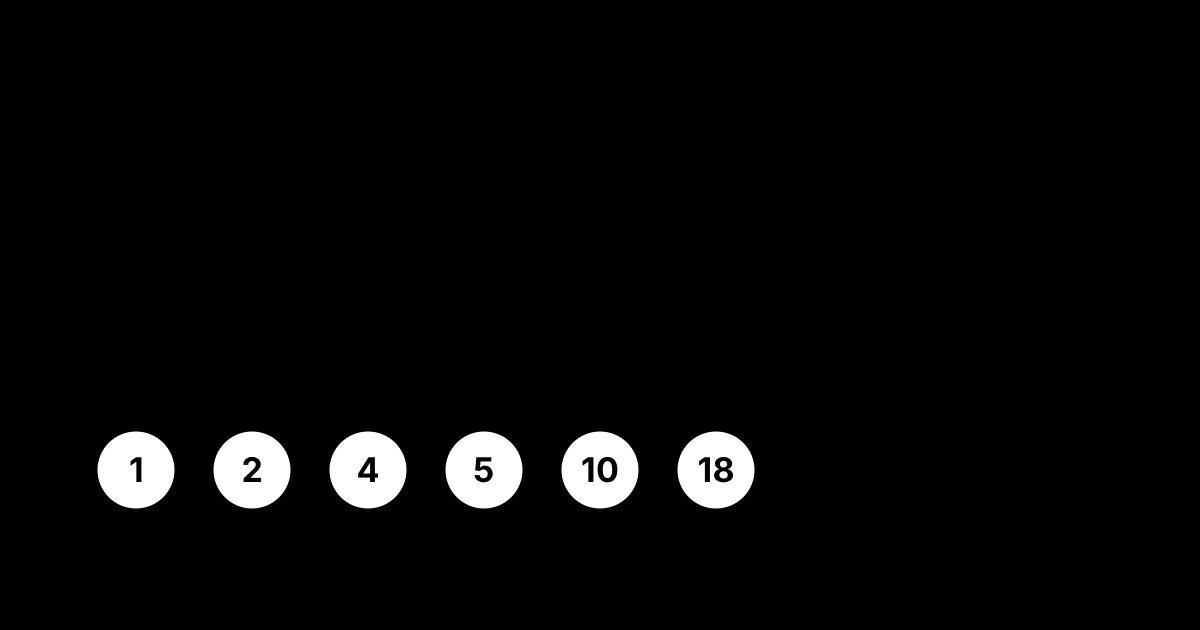
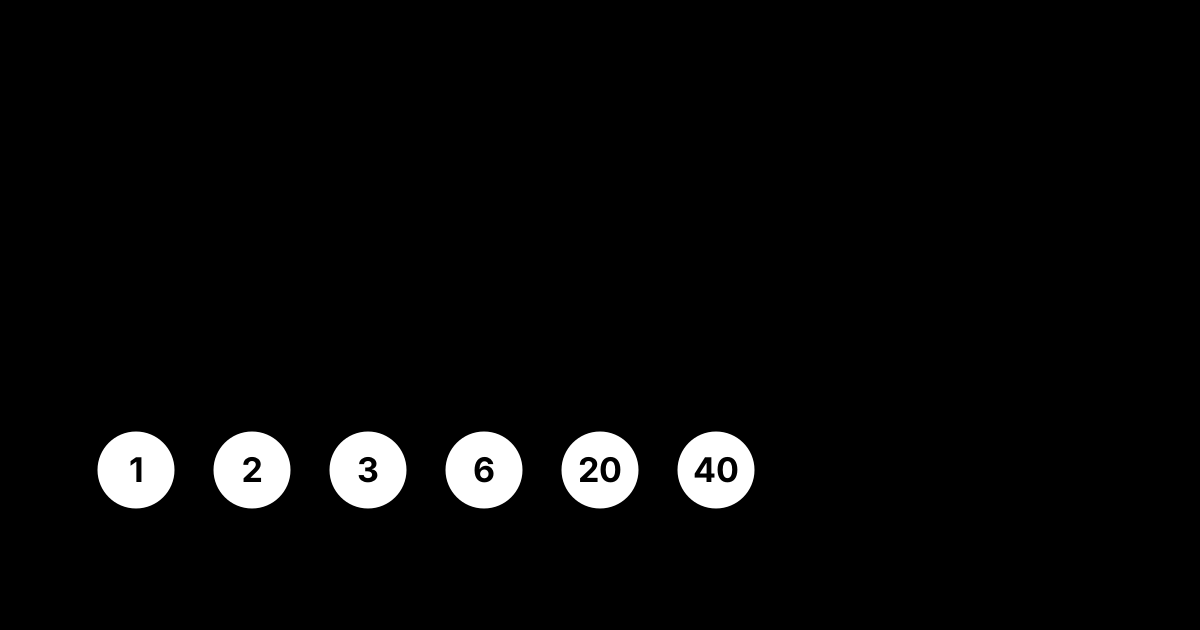
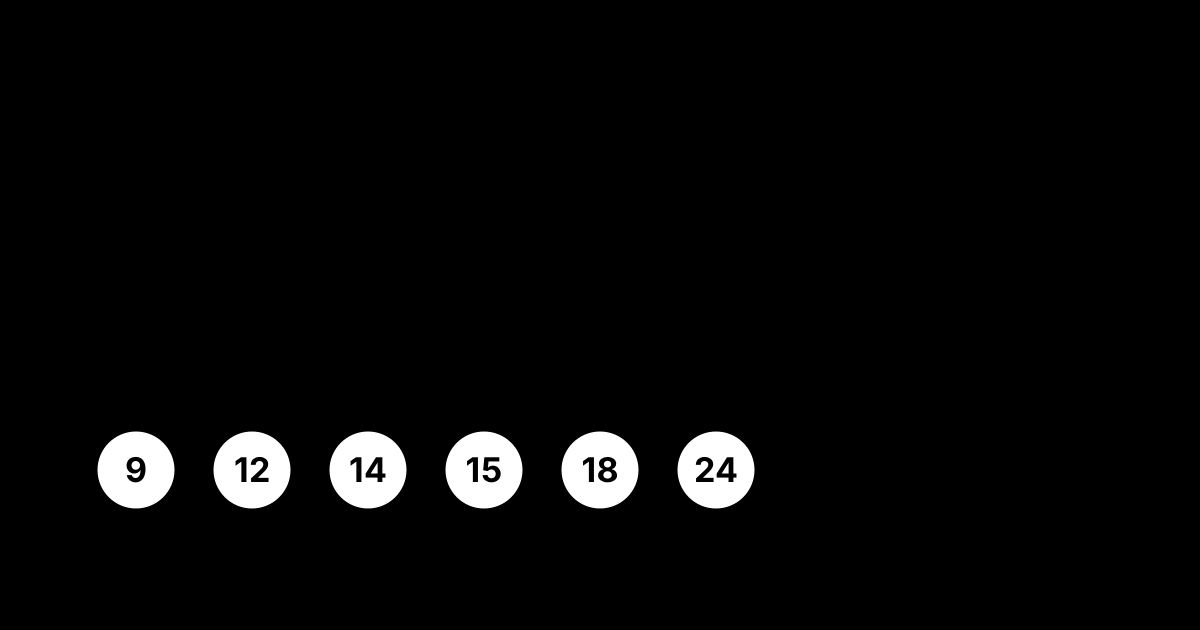
- 12, 9, 15, 14, 24, 18
Four letters, so 24 and 18 come from doubling the first two.
Among these six, 12 has come up 134 times and 15 has come up 121 times across 1,724 recorded Powerball draws. Every draw is independent, and no number is ever due.
The counts below record actual Powerball draws — a record of the past. Every draw is independent, and no number is ever due.
Numbers from this dream
- 12
- 9
- 15
- 14
- 24
- 18
How often these numbers have been drawn
Counts compiled from actual draw results.
Powerball
Compiled from 1,724 draws up to draw 2112. Counts cover main numbers only; the Powerball is tracked separately.
| Number | Times drawn | Share |
|---|---|---|
| 12 | 134 | |
| 9 | 126 | |
| 15 | 121 | |
| 14 | 125 | |
| 24 | 129 | |
| 18 | 129 |
Latest draw 2112 · November 4, 2026
- 15
- 34
- 41
- 53
- 56
- 21
Common questions
Does a lion in a dream mean power?
It is the default English reading, but distance changes it entirely. A lion seen far off, a lion watching you, and a lion charging are three different dreams, and only the last is really about force.
What about a caged lion?
Capacity that is not in use, and the dream usually turns on how you felt about the enclosure. Relief and unease point in opposite directions from the same image.
I have never seen a lion outside a zoo.
Nor has almost anyone reading this, and that is the useful part. The lion arrives through crests, films and stories rather than through memory, which makes it close to a pure symbol. Dreams of animals nobody has met are assembled out of pictures, which is why they come out so clean and so consistent between dreamers.
What is the difference between a lion dream and a tiger dream?
Relationship. The lion in English carries legitimacy — a crest, a crown, a title somebody is entitled to — so the dream tends to involve authority you are expected to acknowledge. A tiger has no such claim on you and reads as force arriving from outside any structure. If the animal in the dream felt like it had standing, it was working as a lion whatever it looked like.