Dreams About Being Ill — Being Made to Stop
Being ill in a dream, hiding it, nobody taking it seriously. Illness reads as enforced stopping, and what it suspends differs by culture. Plus the numbers.
Start with the plain version, because it comes up often.
Sensation from the body gets woven into dreams. That is ordinary, and it means an illness dream is sometimes the night reusing whatever was to hand rather than a symbol with a message in it. If the dominant memory is a physical one, there may be nothing here to decode.
This page is about the symbolic reading. It is not about bodies and nothing on it is advice about one — if something is actually worrying you, that is a question for a professional rather than for a dream page.
Illness is enforced stopping
Symbolically, illness stands for being made to stop. You cannot push through it; the option is removed rather than declined.
That reading fits the reporting. These dreams cluster in periods where someone has been going too long without a break and has not been able to justify taking one. The dream supplies the justification that waking life would not grant.
It is worth noticing how different that is from most unsettling dreams. Being chased or falling both hand you something to do. An illness dream takes the doing away, which is why a quiet version of it can land harder than a loud nightmare.
Situation by situation
Being ill yourself. Overextension. The dream is recording a stop you have not scheduled.
Being ill and then recovering. Read well. The hard stretch is passing.
A family member ill. Usually not about their health. More often that relationship needs attention than that the person does.
Going to a doctor. Deciding to ask for help. Read favorably — it is the move, not the problem.
Taking medicine. Action already underway.
No diagnosis, or a condition nobody can name. The heaviest version. Something is wrong and its nature has not been identified. Common when the difficulty is situational rather than concrete.
Caring for someone ill. Responsibility being carried.
Nobody taking it seriously. You are unwell in the dream and the people around you carry on as normal. The reading is not about illness at all — it is about a cost you are bearing that has not been acknowledged out loud.
Hiding it. Concealment is the content. It points at capacity you are spending without telling anyone the price, which is a situation people usually recognise immediately on waking.
Being told you are ill by someone else. The information arrives from outside. Who delivered it is the part to keep, because the dream has chosen that person to represent the judgement.
Being ill somewhere you cannot leave. A hospital, a hotel room, someone else’s house. The confinement carries more of the meaning than the illness; read it alongside falling and chase dreams, which are the other dreams about not having room.
Ill and relieved about it. Reported more often than you might expect and read as permission. Something you wanted to put down has been put down for you.
Where East Asian reading differs
Both Korean and Japanese interpretation include a strand English does not: illness dreamed can substitute for illness lived. The idea is that misfortune worked through in a dream has been discharged, so the dream reads as protective rather than ominous — the same logic that makes death dreams auspicious there.
English interpretation has no equivalent, which is worth knowing if you find the Western sources unusually gloomy on this symbol.
In Korea, Japan and Taiwan
What it means to be unwell is a social fact as much as a bodily one, and the three cultures frame that fact differently. That changes what the dream is about.
Japan. Being out of commission is socially regulated. Taichou ga warui — being out of condition — is a complete and accepted explanation, offered with an apology, because the weight falls on the inconvenience to others rather than on the body. There are named seasonal states with no English equivalent, like natsubate for the flattening effect of a long summer, and kata kori, shoulder stiffness, is discussed as a thing in its own right. So a Japanese illness dream can be read as being about an obligation you cannot meet rather than about a body.
Korea. The distinctive idea is hwabyeong, the name Korean usage gives to anger held in for years — literally a fire sickness. It is a cultural account of endurance, and it links what a person has swallowed to what they end up carrying. Read against that, an illness dream in Korea can point at something borne silently for a long time.
Taiwan. The framing is balance, and the vocabulary is everyday — foods and states get talked about as heating or cooling, and being unwell is described as being out of adjustment rather than under attack. The other half is that it is answerable: you take the matter to a temple, draw a lot, cast the jiaobei blocks, or arrange a luck-mending rite, and a fright in a small child is settled with a soul-calming rite called shoujing. A Taiwanese reading of this dream asks what is out of adjustment and what should be asked.
An obligation unmet, something swallowed for years, an adjustment to make. The English default is just stopping.
The numbers
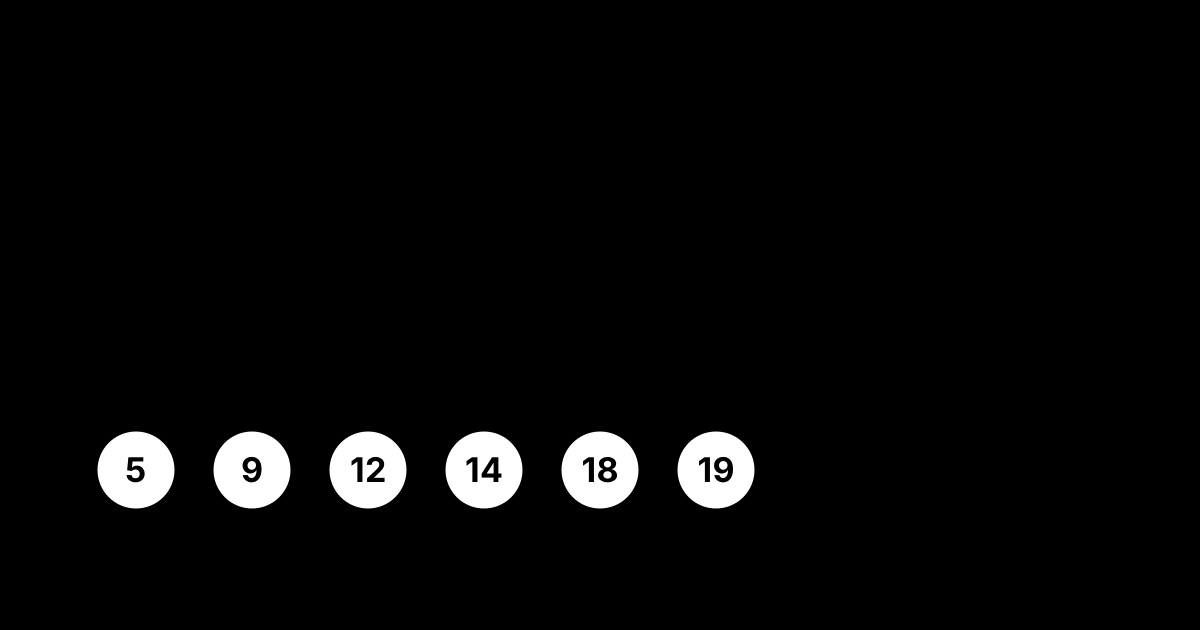
“illness” → I=9, L=12, N=14, E=5, S=19
- 5, 9, 12, 14, 18, 19
The repeats collapse; 18 comes from doubling 9.
Among these six, 12 has come up 133 times and 5 has come up 118 times across 1,702 recorded Powerball draws. Every draw is independent, and no number is ever due.
The counts below are historical Powerball records and predict nothing.
Numbers from this dream
- 5
- 9
- 12
- 14
- 18
- 19
How often these numbers have been drawn
Counts compiled from actual draw results.
Powerball
Compiled from 1,702 draws up to draw 2090. Counts cover main numbers only; the Powerball is tracked separately.
| Number | Times drawn | Share |
|---|---|---|
| 5 | 118 | |
| 9 | 125 | |
| 12 | 133 | |
| 14 | 123 | |
| 18 | 126 | |
| 19 | 131 |
Latest draw 2090 · September 7, 2026
- 15
- 19
- 28
- 39
- 56
- 3
Common questions
Does dreaming of being ill mean something is wrong with me?
Dream interpretation is not in a position to say, and this page does not try to. Sensation from the body gets woven into dreams as a matter of course, so the image is sometimes just the night reusing what was to hand rather than a symbol at all. Read symbolically it points at enforced stopping rather than at any diagnosis, and if something is genuinely worrying you, that is a question for a professional rather than for a dream page.
What about dreaming someone else is ill?
Usually it tracks your attention on that person rather than their condition. It appears often when a relationship is changing — someone becoming dependent, or moving out of reach. The detail worth keeping is whether you were looking after them, standing by, or arriving too late, because those are three different dreams about the same relationship.
Is recovering in a dream a good sign?
It is one of the more consistently positive versions across traditions, and it reads as something turning a corner. What you did to recover, if the dream showed it, is the more useful part — asking for help, waiting it out and being carried are each read differently.
Why do these dreams feel so much heavier than the events in them?
Because the subject is loss of capacity rather than danger. Most alarming dreams run on threat, which at least gives you something to do. An illness dream removes the option of acting, and that reads as helplessness even when nothing dramatic happens in it, which is why people often wake from a quiet version of this dream feeling worse than from a loud nightmare.