Drowning Dreams — Past Capacity, Not Prophecy
Going under is the clearest signal the sleeping mind sends about overload. What being pulled down, surfacing and being rescued each mean.
Of all the dreams people wake from badly, this is the one most likely to be saying something plain.
Water is feeling; going under is too much of it
Water stands for emotional state. Drowning is what happens when there is more of it than you can stay on top of.
That reading is unusually direct, and it holds up against how people report it: drowning dreams cluster around genuine overload — caretaking that has run long, work that has stopped having edges, grief that has not had room.
This is not a warning about water. It is a report about capacity.
Situation by situation
Being pulled under. Something has more weight than you allowed for. Worth naming what.
Struggling but staying up. Managing, at cost. The dream is registering the cost, which you may not be.
Sinking calmly, without panic. Reported more often than people expect. It tends to mean acceptance rather than danger — a situation you have stopped fighting. Whether that is peace or resignation is yours to judge.
Being rescued. Support exists. If you can recall who, that relationship is doing more than you have credited.
Watching someone else drown. Concern for a person you cannot reach. Frequently reported by people supporting someone through something.
Reaching the surface. The good version. The stretch is ending.
In a pool rather than open water. Worth separating. A pool has edges and a bottom, so drowning in one reads as struggling inside something that was supposed to be contained and manageable — a defined job, a bounded commitment. Open sea has no edge, and the dream is correspondingly larger.
Going under in shallow water you could have stood up in. Reported more often than it sounds. It reads as a difficulty whose size does not match the distress it is causing, which is information rather than criticism.
Drowning in something that is not water. Mud, sand, a crowd, a room filling with paper. The substance names the load. Most people identify what it stood for before they finish describing the dream.
A car going into water. Two symbols at once — a vehicle is the thing carrying your direction, so this reads as a course and an emotional load arriving together. Whether you got out is the part to recall.
Shouting with no sound coming out. Specific enough to deserve its own line. The reading is usually about asking rather than about being heard, and it shows up when someone has quietly decided not to ask.
Pulling someone else out. Different from watching. You had the capacity and used it, and the dream is registering the effort that took.
What to actually do with it
Most dreams are better used as questions than as answers. This one is unusually actionable.
If you had this dream, the useful move is not to look up a symbol. It is to look at your week and find the thing that has no bottom to it — the obligation that keeps expanding. Drowning dreams get less frequent when that thing gets a boundary.
The same dream elsewhere
In Korea, this dream can be favourable — which surprises most English speakers. Water means wealth in Korean dream tradition, so falling into clear water is read as entering money rather than losing control. Muddy or filthy water keeps the negative reading. The question asked first is not “were you drowning” but “what did the water look like”.
In Japan, there is no wealth layer. The reading stays on the physical fact: your feet could not reach the bottom. Nothing was holding you up. Japanese interpretation also separates this sharply from crossing a river, which carries the Sanzu River associations — drowning means you failed to cross, so you are still on this side.
In English, it is not a fortune-telling matter at all. Drowning belongs to the anxiety-dream category, and the metaphor is already in the language: drowning in work, in over my head, keeping my head above water. The dream and the idiom are the same picture.
Wealth in Korea, missing support in Japan, workload in English.
The Taiwanese layer
Taiwan is the one place where this dream might make you change your plans for the week, and the reason is the seventh lunar month.
During Ghost Month the gates are held to be open, and the spirits with the strongest reputation are the ones in the water. The customary advice is plain — do not swim in the sea or in rivers during that month, because shuigui, water ghosts, are said to pull swimmers down. It is folk belief rather than doctrine, and plenty of people ignore it, but it is widely known enough that a drowning dream in that month reads as a warning in a way it would not in English. Households and temples put out offerings during Zhongyuan Pudu to settle exactly those spirits.
Water pulls the other way too. In feng shui water is the element tied to wealth, which is why ponds and fountains show up in front of businesses — so the Korean reading of clean water as money is not foreign in Taiwan either. And since much of the island’s living once came off the sea, Mazu, the sea goddess, holds the temples that fishing families built for protection on the water.
A load in English, money in Korea, missing ground in Japan, and in Taiwan something in the water that has intentions.
The numbers
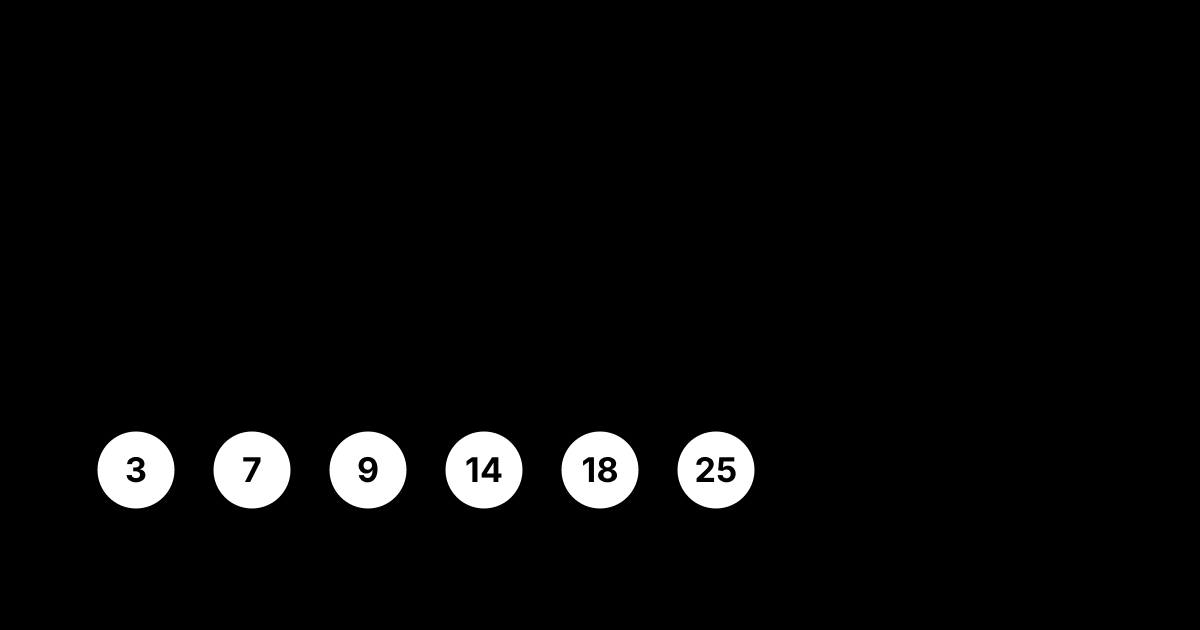
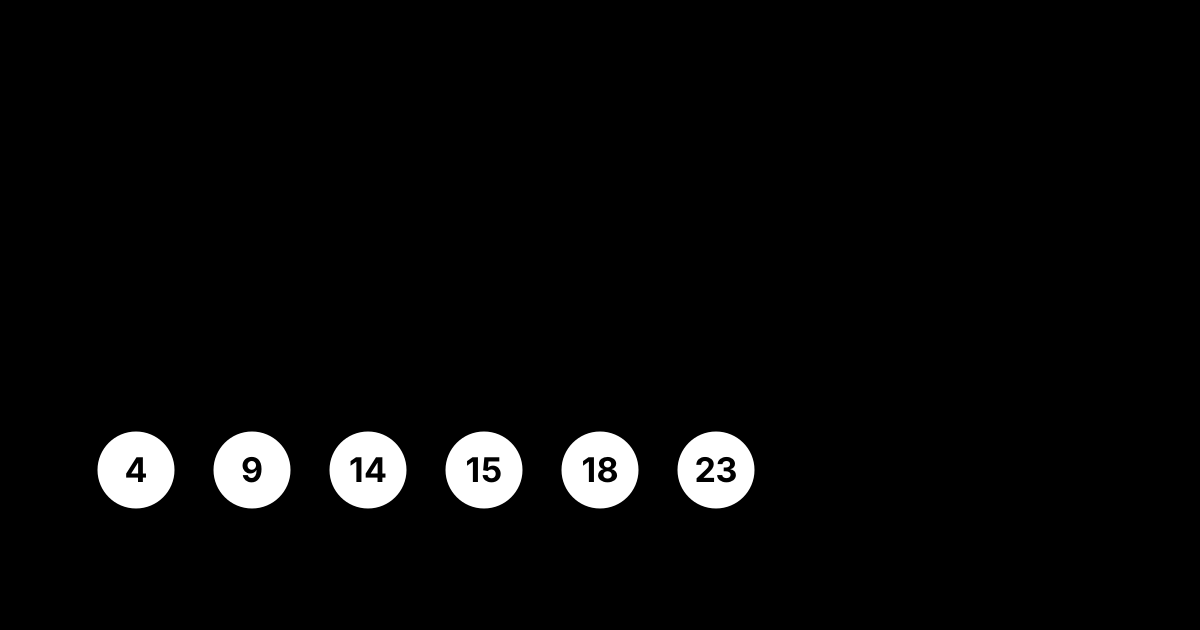
“drowning” → D=4, R=18, O=15, W=23, N=14, I=9
- 4, 9, 14, 15, 18, 23
Six distinct letters taken in order.
For what it is worth, 23 has come up 146 times across 1,702 recorded Powerball draws in our data — the most of these six — while 4 has appeared 116 times. A number that has come up more often is not more likely next time.
The counts below record actual Powerball draws. They are history, and no dream affects a draw.
Numbers from this dream
- 4
- 9
- 14
- 15
- 18
- 23
How often these numbers have been drawn
Counts compiled from actual draw results.
Powerball
Compiled from 1,702 draws up to draw 2090. Counts cover main numbers only; the Powerball is tracked separately.
| Number | Times drawn | Share |
|---|---|---|
| 4 | 116 | |
| 9 | 125 | |
| 14 | 123 | |
| 15 | 118 | |
| 18 | 126 | |
| 23 | 146 |
Latest draw 2090 · September 7, 2026
- 15
- 19
- 28
- 39
- 56
- 3
Common questions
Does a drowning dream mean something bad is coming?
It is not read as a prediction. The image points at load rather than at events — the sense that there is nothing underneath you to stand on. Whether your feet touched the bottom is the most useful detail to recall, because it separates "difficult" from "unsupported".
Why could I not call for help in the dream?
This is one of the most commonly reported parts of it. The reading is usually not that help was unavailable but that asking has not happened. It tends to show up in situations where someone has decided, without quite noticing, to handle something alone.
Is drowning the same as a dream about swimming?
No, and the difference matters. Swimming means you are managing the water; drowning means it is managing you. Same element, reversed relationship. If you were moving through it deliberately, read the swimming article instead.
What if I was underwater but breathing without trouble?
That is a different dream and a much calmer one. Being able to breathe underwater removes the whole load reading and replaces it with immersion — being deep inside something and managing fine. People report it during absorbing work rather than during overload.